The
Omics Hub
A curated computational biology workbench and open reference library by Dr. Nasir Mahmood Abbasi, PhD. Bridging classical genomics and HPC pipelines with modern AI-augmented research workflows.
Explore Tutorials →
A Practical Learning Environment for Computational Biology
Learn the reasoning behind every workflow.
The Omics Hub helps biologists move from a research question to a reproducible computational analysis. Each guide explains the biological context, the required inputs, the commands, the expected results, and the limitations that should shape interpretation.
01 · Understand
Start with the method
Build the concepts first: files, data formats, quality control, statistics, and the assumptions behind each analysis.
02 · Reproduce
Work step by step
Use documented environments, practical commands, expected outputs, and troubleshooting guidance to repeat a workflow safely.
03 · Interpret
Connect output to evidence
Learn what a result supports, what it cannot prove, and which decisions require biological and statistical expertise.
New to computational biology? Follow the structured learning path before choosing a specialization.
Start the learning path →Master Computational Biology and Bioinformatics
The Omics Hub provides practical, reproducible bioinformatics tutorials for researchers learning computational methods. From foundational Linux command-line skills and High-Performance Computing (HPC) cluster management, to advanced single-cell RNA-seq (scRNA-seq), metagenomics, and multi-omics integration workflows. Learn how to deploy modern pipelines using Nextflow and Snakemake, analyze spatial transcriptomics data, and leverage AI agents to accelerate your genomic discoveries.
Structured Curriculum
What We Cover
Our tutorials span the complete journey from computational foundations to advanced multi-omics analysis. Each topic area builds on the previous one, and every guide is designed to be followed hands-on with real data and reproducible environments.
Foundations
Data formats, quality control, statistics, R, Python, Git, and experimental design for bioinformatics.
12 tutorialsLinux, HPC and Workflows
Shell scripting, Slurm job scheduling, Conda environments, Snakemake pipelines, and containerization.
10 tutorialsSingle-Cell and Spatial
From raw 10X reads to clustering, annotation, trajectory analysis, multi-modal integration, and spatial transcriptomics.
15 tutorialsOmics and AI
Metagenomics, metatranscriptomics, evolutionary genomics, WES pipelines, and AI-driven agentic bioinformatics.
21 tutorialsFeatured Tutorials
Start with these essential guides across different skill levels and topics.
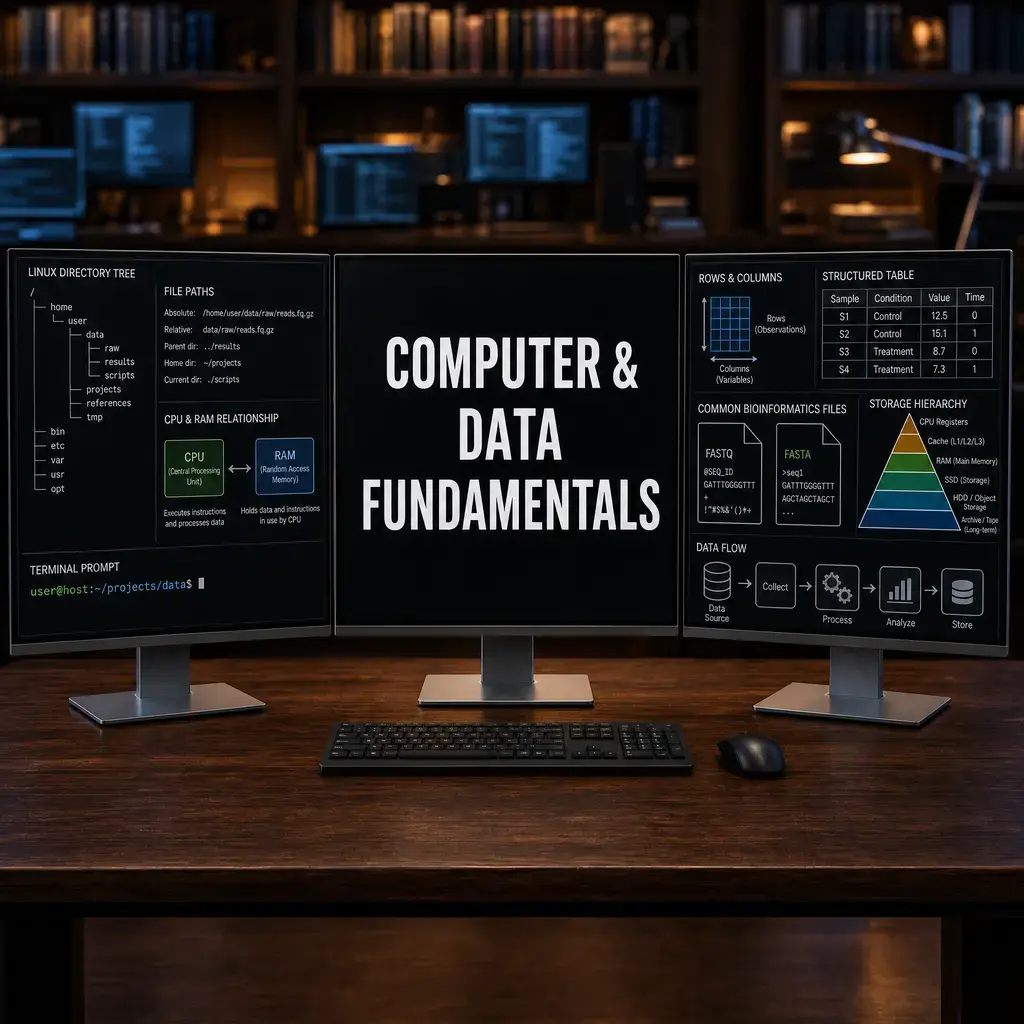
Computer and Data Fundamentals for Biologists
Learn how computers store, process, and move biological data before using Linux, HPC, and omics workflows.
Read tutorial →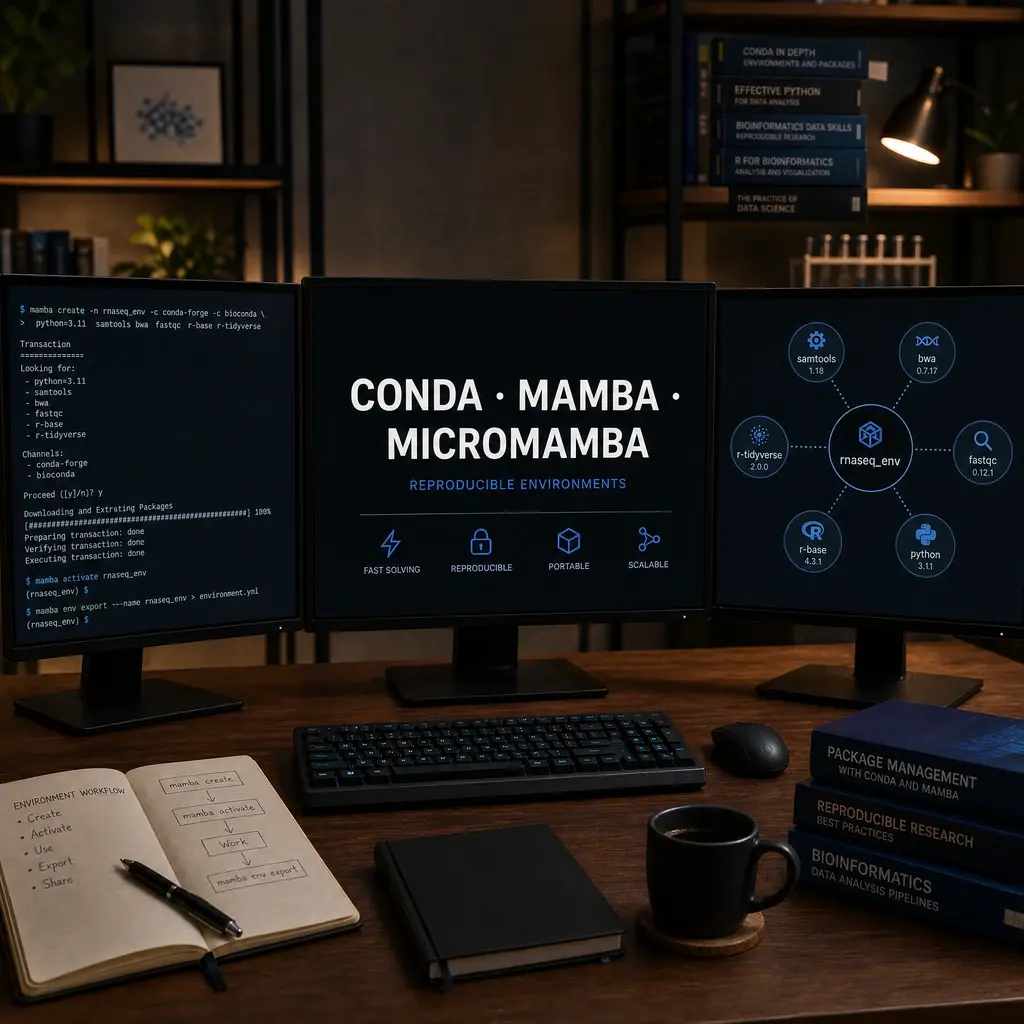
Conda Environment Setup
Install Miniforge, create isolated environments, and manage bioinformatics packages reproducibly.
Read tutorial →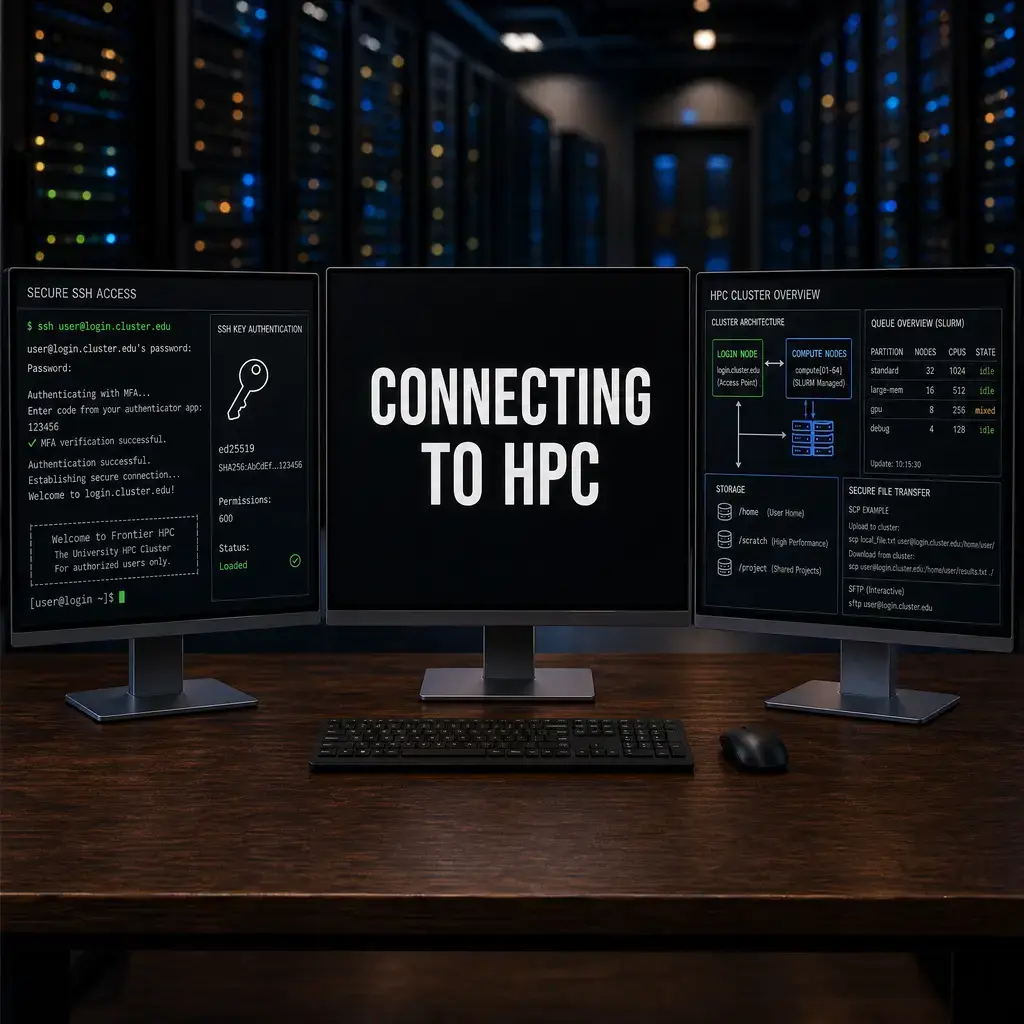
HPC Basics: Clusters, Nodes and Scheduling
Understand cluster architecture, connect via SSH, navigate modules, and submit your first Slurm job.
Read tutorial →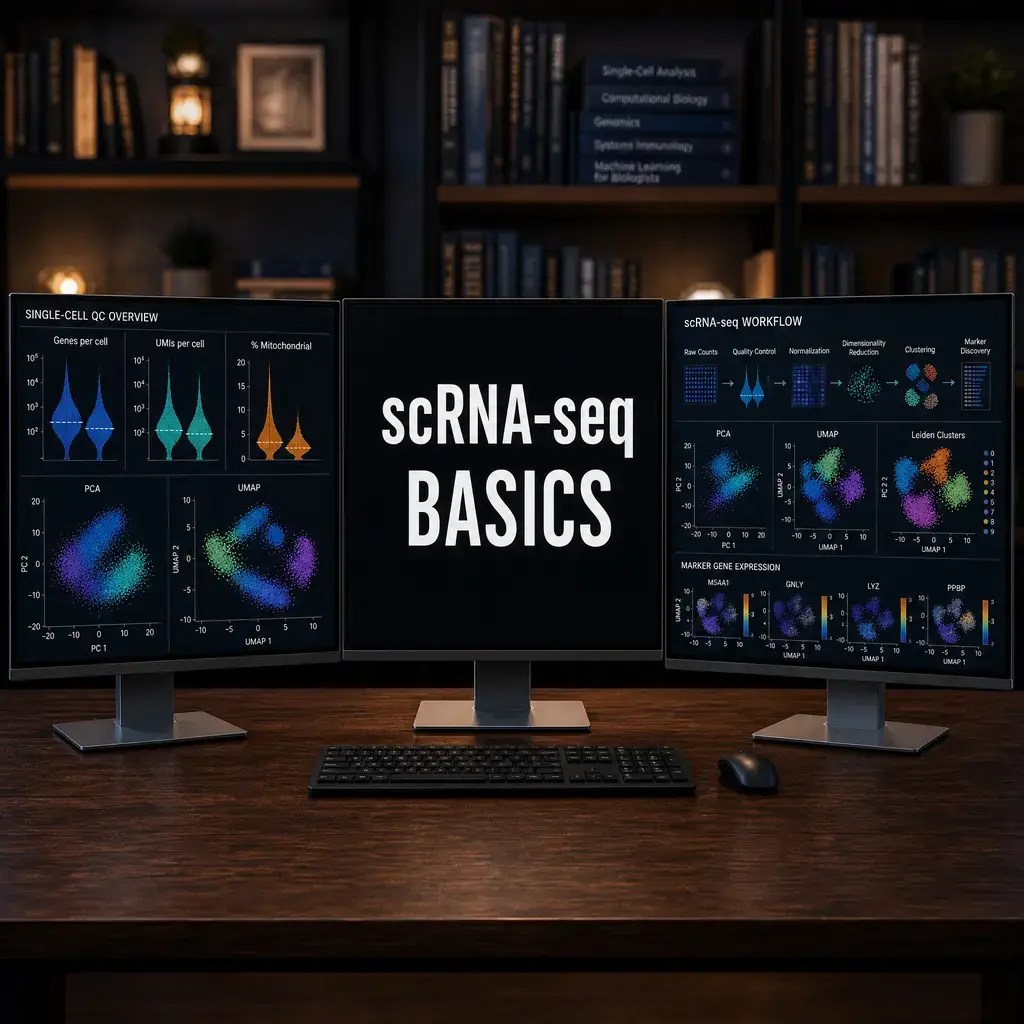
Introduction to Single-Cell RNA-seq
Understand cell barcoding, UMIs, droplet platforms, and the computational steps from raw reads to a count matrix.
Read tutorial →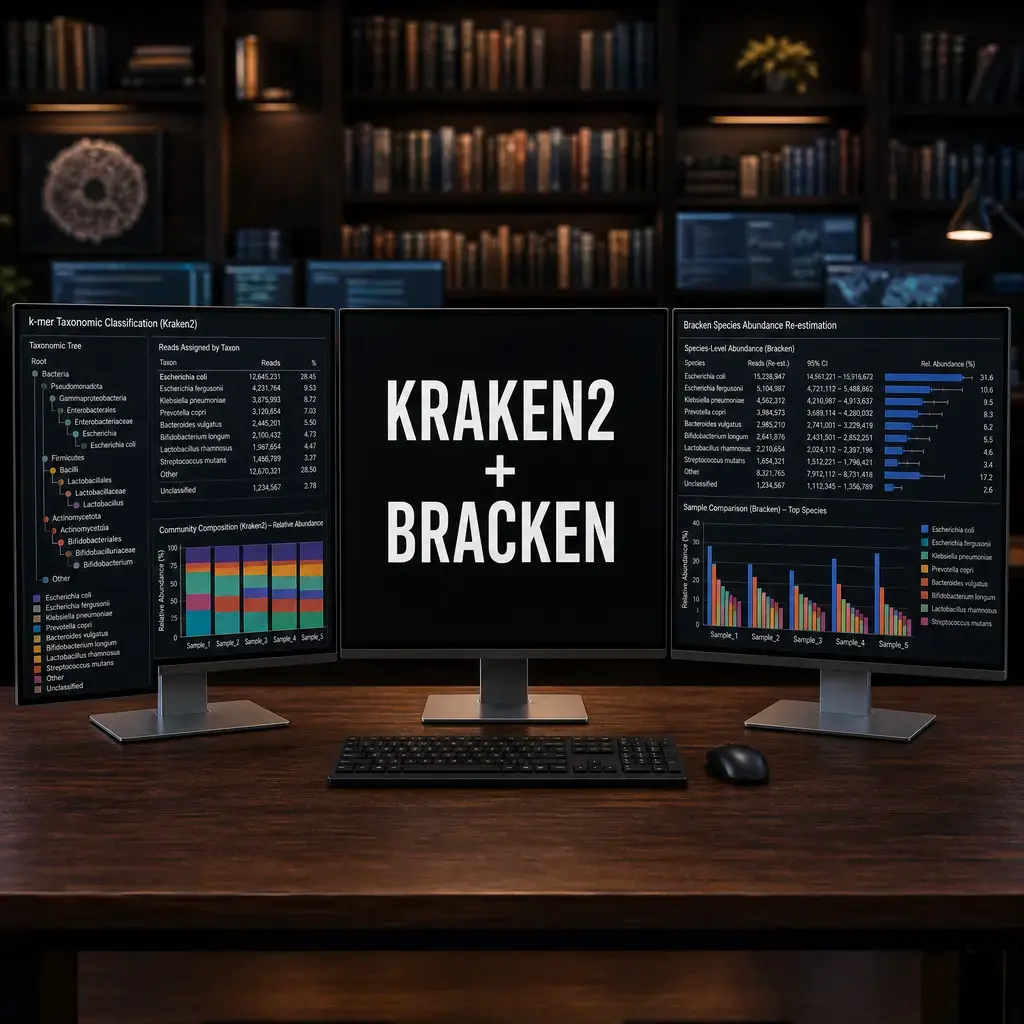
Metagenomics: Taxonomic Classification
Profile microbial communities from shotgun reads using Kraken2, Bracken, and Krona for interactive visualization.
Read tutorial →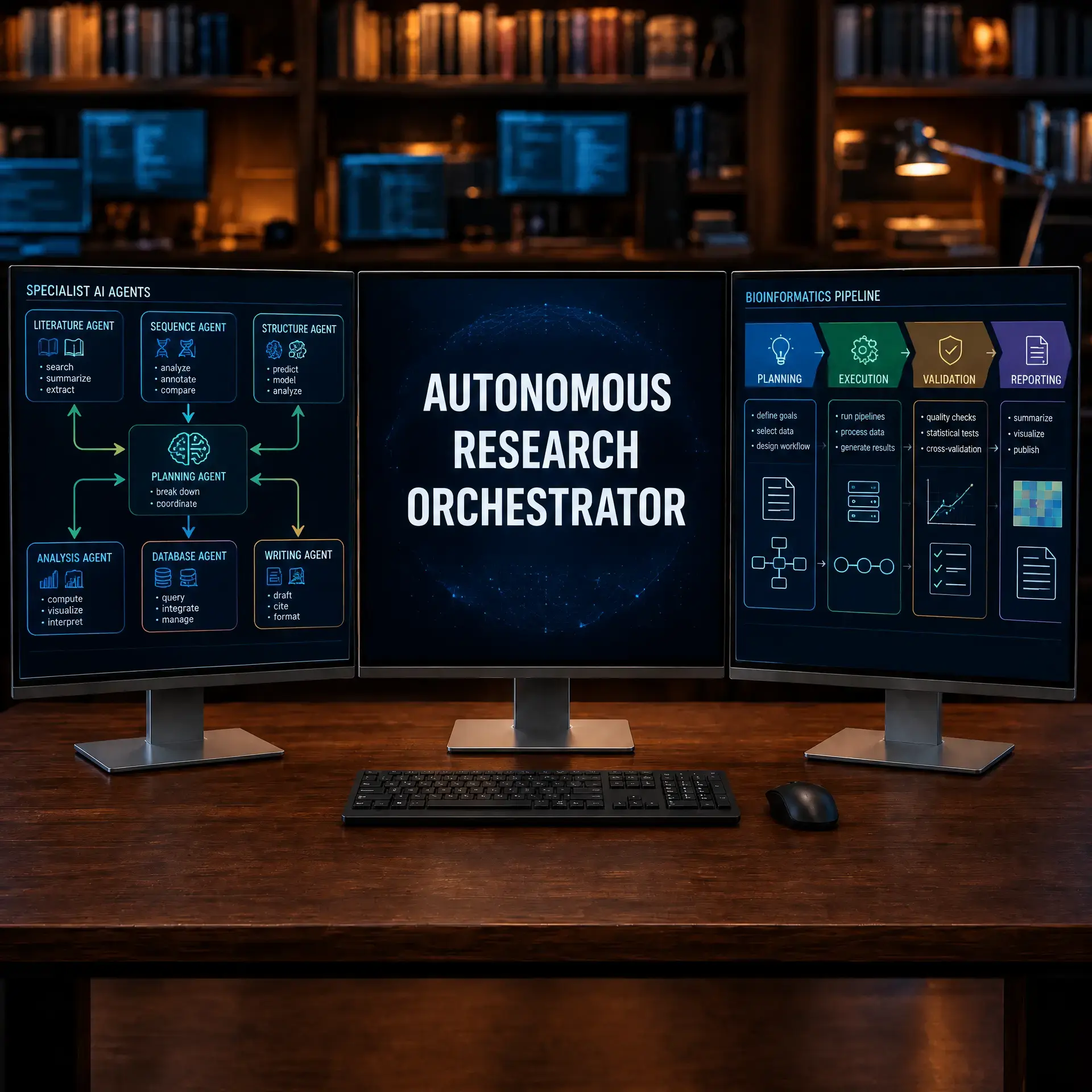
AI Agents for Bioinformatics Workflows
Build autonomous agents that plan, execute, and validate multi-step bioinformatics pipelines using LLMs.
Read tutorial →Why The Omics Hub
The tutorials explain the reasoning behind common workflows, identify the software versions used, and point readers to official documentation and further reading. They are informed by experience in academic and clinical research environments.
Real Biology. Real Data. Real Analysis.
We don't just teach software commands. We teach you how to make biological decisions.
Worked Example: CTCL scRNA-seq
Many generic tutorials instruct you to filter out cells with >2,500 genes to remove doublets. But in malignant CTCL, the tumor cells are physically larger and naturally highly active, resulting in massive RNA content. If you apply the generic tutorial cutoff, you may unknowingly delete the exact cancer cells you are trying to study. Our guides teach you how to validate parameters against your specific tissue biology.
See the full workflow →Reproducibility checks
Tutorials identify software versions, expected outputs, and troubleshooting checks so you can compare your environment and investigate failures.
Structured Learning Path
Tutorials are organized into a logical sequence. The Start Here page maps prerequisites so you never skip a critical concept.
Built for Biologists
Written for researchers transitioning into computational work. No CS degree assumed. Biological context comes first, code comes second.

Meet the Author: Nasir Mahmood Abbasi, PhD
Computational Biologist & Data Scientist
Welcome to The Omics Hub. I hold a PhD in Cancer Biology and specialise in single-cell multi-omics, cancer genomics, and reproducible computational workflows. I built this platform to help researchers move from biological questions to practical, command-line analysis.
The tutorials focus on practical decisions that arise in research, including Seurat integration, Nextflow pipelines on Slurm, and reference annotation. Each guide is intended to help you understand the analysis and adapt it responsibly to your own data.
Read my full academic journey →Ready to dive in?
Browse all tutorials across 15 categories, filter by topic, and find exactly the guide you need.
Browse the Full Catalogue